Search K-Med Beauty
Search Korean clinics, treatments, concerns, and guides
Search the complete K-Med Beauty discovery graph. Results are grouped by content type and do not represent rankings, popularity, medical suitability, or availability.
Explore Korean aesthetic treatment categories
Start with a broad treatment category, then narrow by concern, clinic evidence, Seoul area, and the questions you need answered before consultation.
→
Start with the concern you want to understand
Use the concern that brought you here as a research label—not a diagnosis. Each page shows what to clarify, which clinic facts to compare, and where to continue.
→
Explore Korean clinics by Seoul area
Location helps narrow travel and appointment logistics. It does not indicate clinic quality, medical suitability, price, safety, or expected outcomes.
→
Independent guides for planning care in Korea
Use direct-answer guides to compare clinic identity, treating doctors, proposals, total quotes, recovery, travel timing, and aftercare before committing.
→Acne and scar concerns
Start by separating the concern you observe from any diagnosis. Compare how clinics describe assessment, the exact proposal, who will treat you, material risks, recovery, total cost, and aftercare. Public photos or package names alone do not establish suitability or expected results.
→Pigmentation and uneven tone
Different causes can look similar, so begin with a clinician-led assessment rather than a package name. Compare the stated diagnosis process, proposed device or product, alternatives, risk of worsening discoloration, recovery, total quote, and follow-up after you leave Korea.
→Texture and pore concerns
Use texture or pore concerns as a starting description, not a diagnosis. Ask how the clinic will assess the skin, what exact change is realistic, which procedure or device is proposed, who performs it, what recovery may involve, and how progress will be reviewed.
→
Laxity and lifting concerns
“Lifting” can describe very different proposals. Compare the exact clinical name, device or material, treating professional, intended area, limitations, risks, recovery, duration assumptions, total quote, and aftercare. Do not treat a marketing label as a standardized procedure.
→Eye surgery research
Begin with the functional or aesthetic change you want to discuss, not a named operation. Compare the operating surgeon, examination, proposed technique, alternatives, material risks, anesthesia and facility responsibility, recovery, revision policy, total quote, and aftercare after leaving Korea.
→Nose surgery research
Nose surgery planning should address appearance, breathing, prior procedures, and individual anatomy in consultation. Compare the operating surgeon, examination, proposed changes and materials, alternatives, risks, facility and anesthesia responsibility, recovery, revision terms, total quote, and long-term follow-up.
→Facial contouring research
“Facial contouring” is a broad marketing category, not one standardized operation. Clarify the anatomical concern, exact proposal, operating surgeon, imaging or examination, alternatives, material risks, anesthesia and facility responsibility, recovery, total quote, and follow-up before comparing clinics.
→Revision surgery research
Revision planning requires the prior procedure history, current symptoms or goals, records a surgeon says are necessary, and a clear explanation of added uncertainty. Compare the revision surgeon, assessment, alternatives, risks, facility responsibility, recovery, total quote, records handling, and follow-up.
→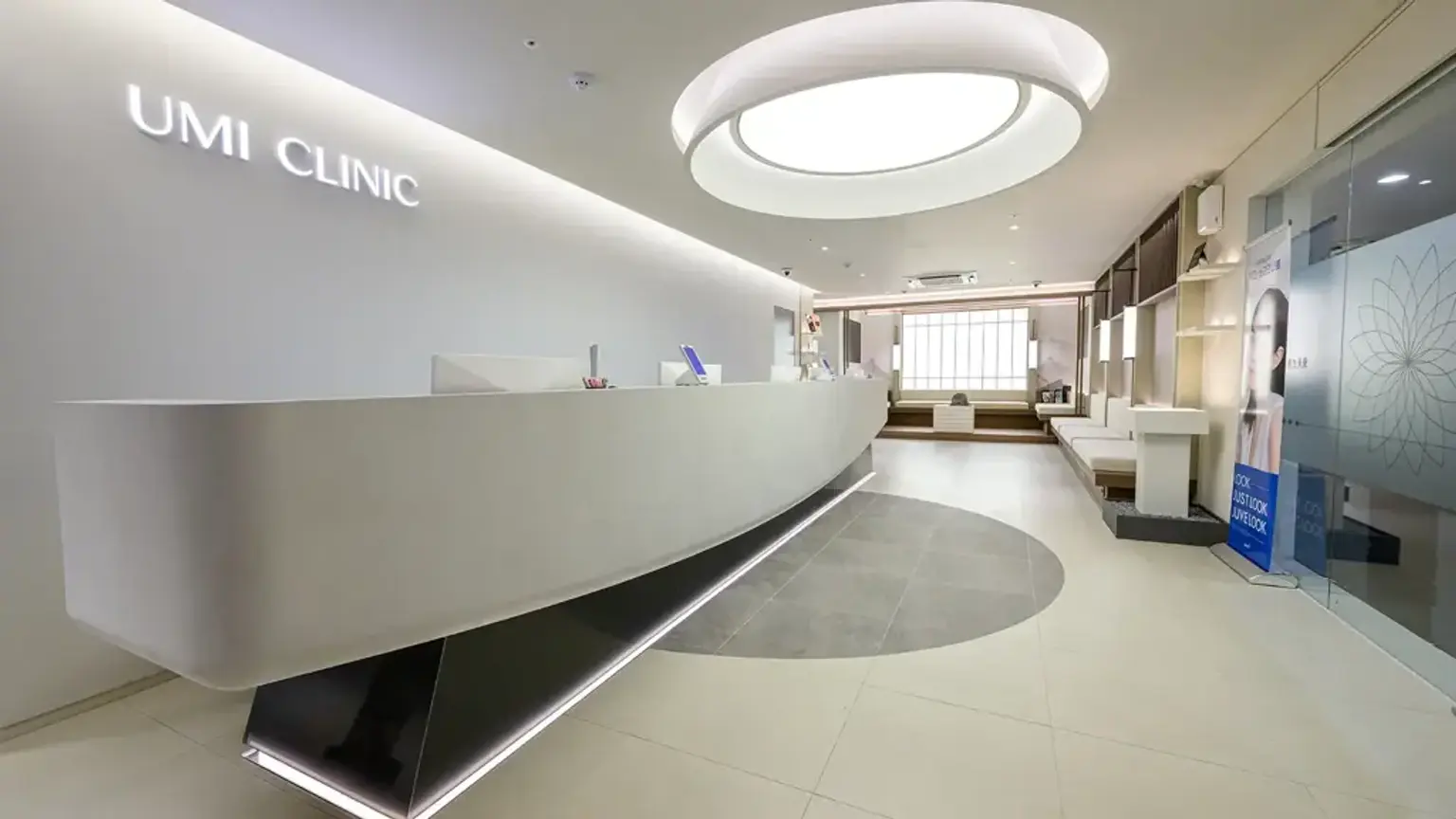
UMI Clinic
UMI Clinic is an aesthetic dermatology clinic in Myeongdong, Jung-gu, Seoul. Its official website and directory profile identify the same clinic and location. Public sources describe skin, laser, lifting, and injectable consultations, but K-Med Beauty does not independently verify suitability, current prices, availability, foreign-patient registration, or outcomes.
→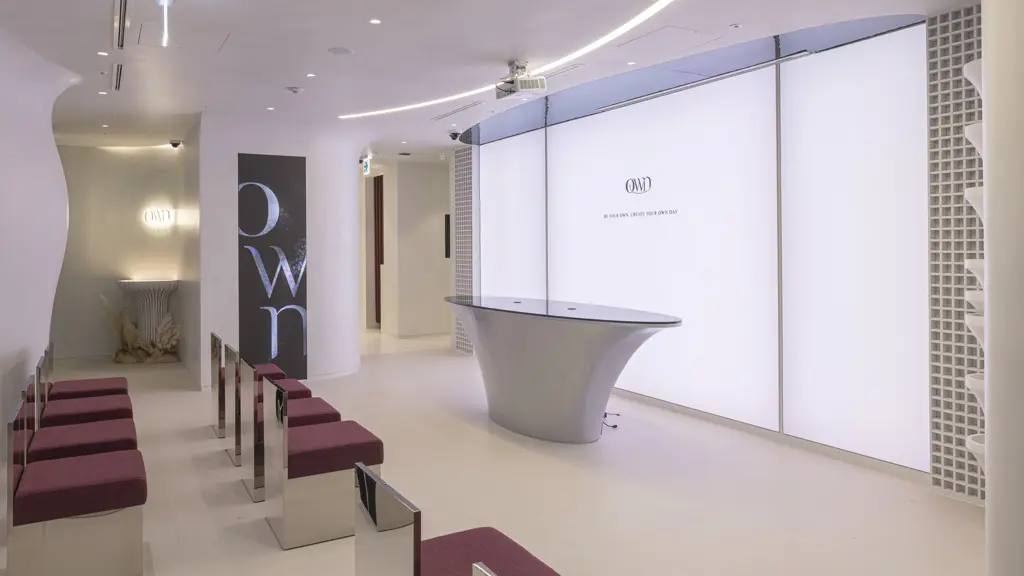
OWN Clinic Samseong
OWN Clinic Samseong is publicly presented as a dermatology and aesthetic-medicine clinic in Gangnam, Seoul. Its English clinic site and directory profile use the same clinic name and provide public enquiry paths. The clinic site lists skin, lifting, injectable, contouring, and regenerative categories, but K-Med Beauty does not independently verify suitability, doctors, prices, availability, registration, or outcomes.
→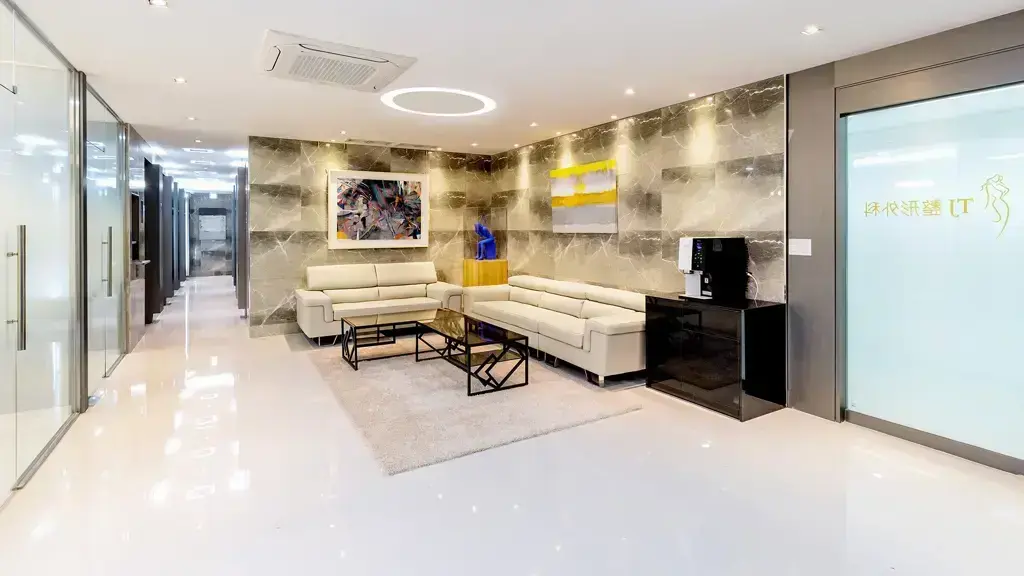
TJ Plastic Surgery
TJ Plastic Surgery is publicly listed in Gangnam District, Seoul. Its clinic website linked from the directory and directory profile use the same name, and the directory profile links to that website through a tracked referral. Public pages describe plastic-surgery consultations, but K-Med Beauty has not independently verified legal registration, doctor credentials, prices, availability, suitability, or outcomes.
→Delight Dermatology Clinic
Delight Dermatology Clinic is listed by the reviewed public directory in Seocho-gu, Seoul for dermatology and aesthetic skin care and plastic surgery, with a clinic-branded website link from the directory. K-Med Beauty also matched a clinic-operated site and an independent directory source at the public name and district level. This corroborates the public-facing identity only; legal identity, registration, doctors, procedures, prices, availability, and outcomes still require direct verification.
→Hugo Plastic Surgery
Hugo Plastic Surgery is listed by the reviewed public directory in Gangnam-gu, Seoul for plastic surgery, with a clinic-branded website link from the directory. A clinic-operated source and a public directory align on the public name and contact, but the published street locations conflict. K-Med Beauty therefore does not establish a current visit address; legal identity, registration, doctors, procedures, prices, availability, and outcomes still require direct verification.
→Arumline Plastic Surgery, Skin & Beauty Clinic
Arumline Plastic Surgery, Skin & Beauty Clinic is listed by the reviewed public directory in Gangnam-gu, Seoul for plastic surgery. The reviewed public directory also includes a link to a clinic-branded website. This registry profile records that public website relationship; it does not independently verify the clinic’s legal identity, registration, doctors, procedures, prices, availability, or outcomes.
→SC301 Clinic
SC301 Clinic is listed by the reviewed public directory in Gangnam-gu, Seoul for plastic surgery, with a clinic-branded website link from the directory. K-Med Beauty also matched a clinic-operated site and an independent directory source at the public name and district level. This corroborates the public-facing identity only; legal identity, registration, doctors, procedures, prices, availability, and outcomes still require direct verification.
→Eun Skin Clinic
Eun Skin Clinic is listed by the reviewed public directory in Gangnam-gu, Seoul for dermatology and aesthetic skin care and plastic surgery, with a clinic-branded website link from the directory. K-Med Beauty matched a clinic-operated site and independent directories using a consistent Korean/English public-name variant in the same district. This supports a public identity link only; legal identity, registration, doctors, procedures, prices, availability, and outcomes still require direct verification.
→Royal Line Clinic
Royal Line Clinic is listed by the reviewed public directory in Gangnam-gu, Seoul for plastic surgery, with a clinic-branded website link from the directory. K-Med Beauty also matched a clinic-operated site at the public name and district level. This corroborates the public-facing identity only; legal identity, registration, doctors, procedures, prices, availability, and outcomes still require direct verification.
→The Pride Plastic Surgery
The Pride Plastic Surgery is listed by the reviewed public directory in Gangnam-gu, Seoul for plastic surgery, with a clinic-branded website link from the directory. K-Med Beauty also matched a clinic-operated site at the public name and district level. This corroborates the public-facing identity only; legal identity, registration, doctors, procedures, prices, availability, and outcomes still require direct verification.
→DL Plastic Surgery
DL Plastic Surgery is listed by the reviewed public directory in Seocho-gu, Seoul for plastic surgery, with a clinic-branded website link from the directory. K-Med Beauty also matched a clinic-operated site and an independent directory source at the public name and district level. This corroborates the public-facing identity only; legal identity, registration, doctors, procedures, prices, availability, and outcomes still require direct verification.
→B:ON Plastic Surgery
B:ON Plastic Surgery is listed by the reviewed public directory in Gangnam-gu, Seoul for plastic surgery, with a clinic-branded website link from the directory. K-Med Beauty matched a clinic-operated site and independent directories using a consistent Korean/English public-name variant in the same district. This supports a public identity link only; legal identity, registration, doctors, procedures, prices, availability, and outcomes still require direct verification.
→